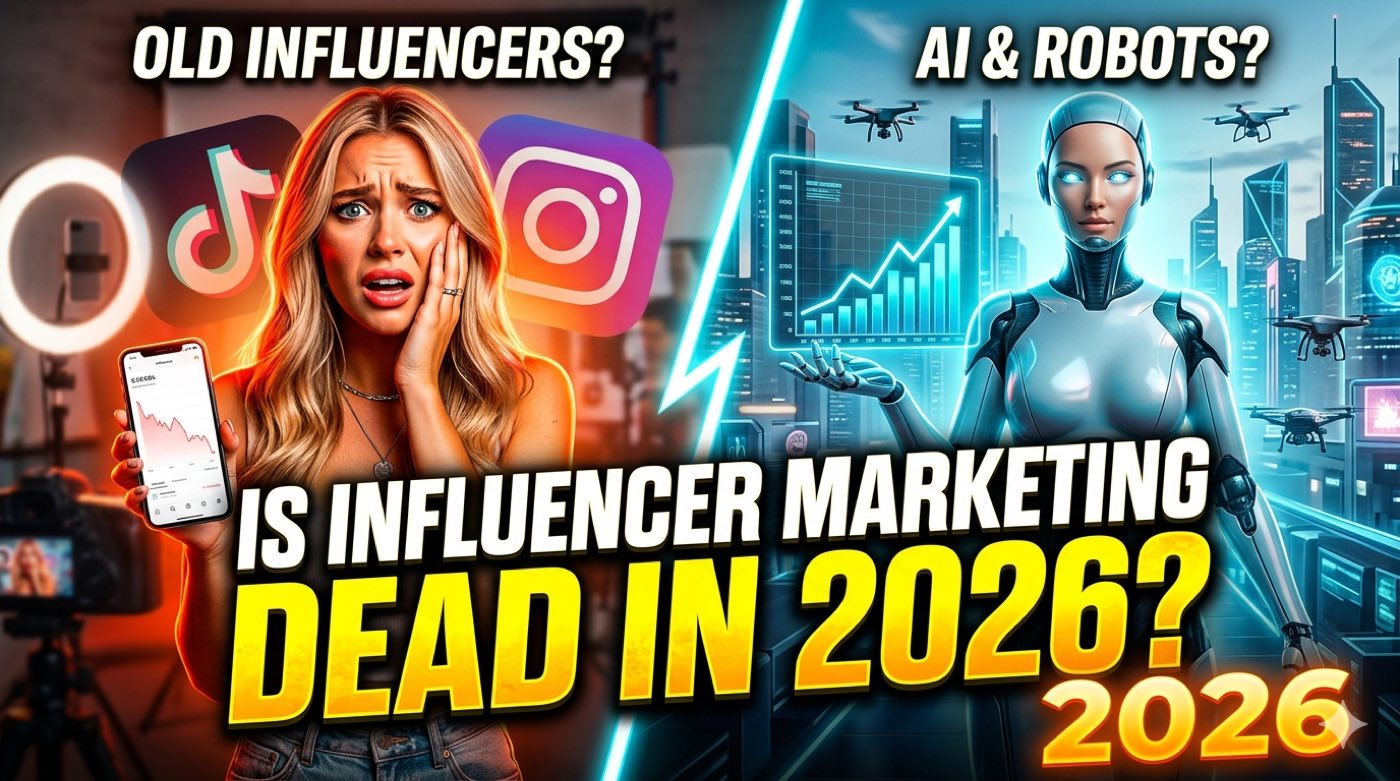
The short answer: yes but not the way most brands are doing it. Influencer marketing in 2026 is not dead. It just stopped rewarding lazy execution. Brands chasing follower counts and handing scripts to creators are wasting money. Brands treating creators as genuine partners are seeing real returns. Here's what actually separates the campaigns that work from the ones that don't.
Why Micro and Nano Influencers Outperform in 2026
The biggest shift in influencer marketing over the past few years is the move away from celebrity endorsements toward smaller, niche creators. Micro-influencers (10,000–100,000 followers) and nano-influencers (under 10,000) consistently drive better results than macro influencers not because they're cheaper, but because their audiences actually trust them. A creator with 8,000 followers in the home brewing niche has built a real community. When they recommend a product, it lands differently than a celebrity posting a sponsored story to 2 million passive scrollers. The numbers back this up. Engagement rates for nano-influencers typically run 3–5x higher than those for mega-influencers, and purchase intent is significantly stronger in niche audiences where the creator's recommendation carries genuine weight. What this means for your brand: Stop optimizing for reach. Start optimizing for relevance.
The Creator-Audience Fit Problem
Most failed influencer campaigns share one root cause: the wrong creator for the audience. Brands that chase follower counts without checking whether that audience actually matches their customer profile are essentially paying for billboards in the wrong city. The influencer's audience has to overlap meaningfully with your target market not just demographically, but in terms of interests, purchase behavior, and trust in that creator's recommendations. Before signing any creator deal, ask: does this person's audience actually buy things like what we sell? If you can't answer that with data, you don't have enough information to make the decision.
Long-Term Partnerships Beat One-Off Campaigns
One sponsored post rarely moves the needle. A creator who has mentioned your product three times over six months organically woven into content their audience already loves is a different proposition entirely. Audiences are good at detecting one-off paid placements. They see the unfamiliar brand, register "sponsored," and scroll past. But when a creator they follow has consistently referenced a product over time, it starts to feel like a genuine recommendation rather than an ad. Long-term creator partnerships consistently outperform one-off activations on ROI, often by a significant margin. The trust compounds. The brand recognition compounds. The results follow. If you are a local brand in Telangana, partnerships with Telugu creators are part of our social media marketing service.
The Measurement Problem Nobody Talks About
Here's the uncomfortable truth about influencer marketing in 2026: most brands still can't measure it properly. Tracking direct sales from influencer content is hard. Tracking brand lift is harder. Many brands rely on vanity metrics views, likes, impressions that feel like proof of something but don't connect to revenue. If you're running influencer campaigns without clear attribution set up (UTM parameters, unique discount codes, landing pages tied to specific creators), you're flying blind. You might be getting ROI. You might not be. You genuinely don't know. The brands winning right now are the ones treating influencer marketing like any other performance channel: with clear KPIs, proper tracking, and a willingness to cut creators who don't deliver results. Tools Worth Knowing If you're managing influencer campaigns in-house, a few platforms have become standard: Upfluence works well for Shopify brands that already have creator relationships and want to formalize and scale them. Modash is strong for discovery and vetting useful when you're trying to find niche creators in specific categories and need to verify their audience quality before reaching out. Aspire is popular for brands that want a more managed workflow, with tools for outreach, contracts, and content approval built in. That said, if influencer marketing isn't your core competency and you're running campaigns at scale, outsourcing to a specialist agency often makes more sense than building an in-house operation from scratch. Agencies like Ubiquitous handle discovery, negotiation, and campaign management the overhead of doing that well internally is higher than most brands expect. The Bottom Line Influencer marketing works in 2026. The version that doesn't work is the 2019 playbook: find someone with a big following, send them a script, post, and wait. What works now is closer to editorial partnership than advertising. Find creators whose audiences genuinely overlap with your customers. Give them real creative latitude. Build relationships over multiple campaigns. Track performance rigorously and cut what isn't working. Done right, it's one of the higher-ROI channels available. Done lazily, it's an expensive way to generate impressions that go nowhere.
Also Read: How to Get Massive Reach on Instagram Reels in 2026